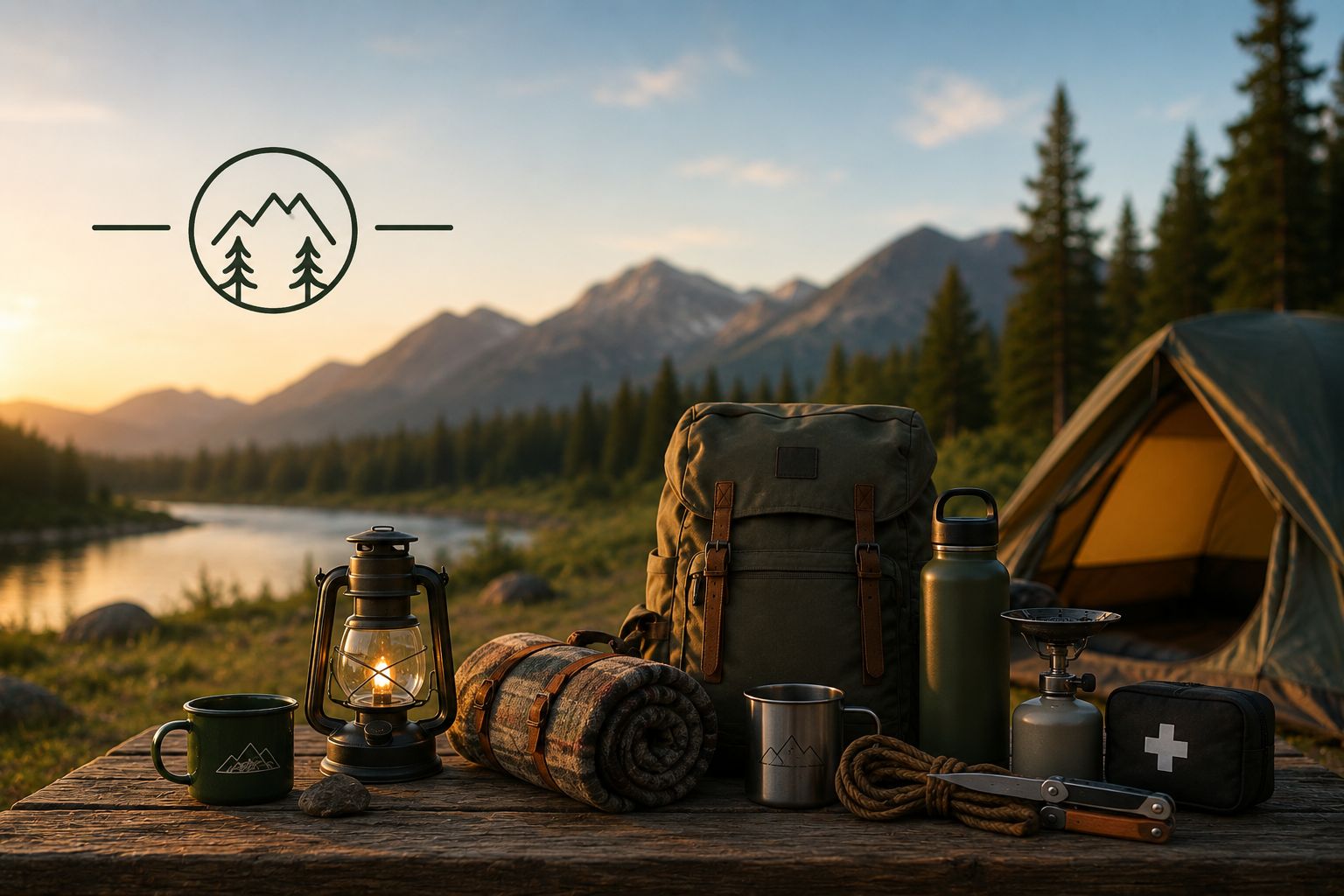
Camping is one of the best ways to disconnect from daily routines and reconnect with nature. Whether you’re planning a weekend getaway, a family camping trip, or an extended outdoor adventure, having the right gear can make your experience safer, more comfortable, and more enjoyable.
While every camping trip is different, there are certain essentials that every outdoor enthusiast should consider bringing along. This guide covers fifteen important items that can help you prepare for your next adventure.
1. A Reliable Tent
Your tent serves as your shelter and personal space while camping. Choosing the right tent depends on the number of people in your group, the weather conditions, and the type of camping you plan to do.
Look for a tent that is:
- Easy to set up
- Weather-resistant
- Well-ventilated
- Appropriate for the season
A quality tent can make a significant difference in comfort during your trip.
2. Sleeping Bag
A good night’s sleep is essential when spending time outdoors.
Choose a sleeping bag based on the expected temperatures at your destination. Sleeping bags are often rated for specific weather conditions, so it’s important to select one that matches your environment.
3. Sleeping Pad Or Air Mattress
Sleeping directly on the ground can be uncomfortable and cold.
A sleeping pad or air mattress provides:
- Additional comfort
- Insulation from the ground
- Better sleep quality
Many campers consider this one of the most valuable pieces of equipment they own.
4. Camping Pillow
While some travelers use extra clothing as a pillow, a dedicated camping pillow can improve sleep and reduce neck strain.
Many lightweight options are designed specifically for outdoor travel and pack down easily.
5. Headlamp Or Flashlight
Having a dependable light source is essential after sunset.
A headlamp is particularly useful because it keeps your hands free while:
- Cooking
- Setting up camp
- Walking at night
- Reading inside your tent
Always bring extra batteries or a backup light source.
6. Portable Stove
Cooking outdoors is part of the camping experience.
A portable camping stove provides a convenient way to prepare meals and boil water, especially in locations where campfires may not be permitted.
Before your trip, familiarize yourself with any fire restrictions in the area.
7. Water Storage And Filtration
Access to clean drinking water is one of the most important aspects of camping.
Bring:
- Reusable water containers
- Water bottles
- Filtration systems if needed
If you’re camping in remote areas, a reliable water filter can be invaluable.
8. First Aid Kit
Minor injuries and accidents can happen even on well-planned trips.
A basic first aid kit should include:
- Bandages
- Antiseptic wipes
- Pain relievers
- Tweezers
- Medical tape
- Personal medications
Review the contents before every trip and replace used items as necessary.
9. Appropriate Clothing
Weather conditions can change quickly outdoors.
Packing layers allows you to adjust throughout the day.
Consider bringing:
- Moisture-wicking shirts
- Insulating layers
- Rain protection
- Extra socks
- Comfortable footwear
Dressing appropriately can help you stay comfortable and safe.
10. Camp Chair
After a day of hiking or exploring, having a comfortable place to sit can greatly improve your camping experience.
Portable camp chairs are lightweight, easy to transport, and ideal for relaxing around camp.
11. Navigation Tools
Even if you plan to use a smartphone, it’s wise to carry backup navigation tools.
Consider bringing:
- Paper maps
- Compass
- Offline maps
- GPS device
Cell service may not always be available in remote locations.
12. Multi-Tool Or Pocket Knife
A multi-tool can assist with countless camping tasks.
Common uses include:
- Food preparation
- Gear repairs
- Cutting rope
- Opening containers
It’s one of the most versatile items you can pack.
13. Food Storage Solutions
Proper food storage helps keep your campsite organized and reduces the risk of attracting wildlife.
Use:
- Coolers
- Sealed containers
- Bear-safe storage when required
Always follow local guidelines regarding food storage.
14. Emergency Supplies
Unexpected situations can arise during outdoor adventures.
Useful emergency items include:
- Emergency blanket
- Whistle
- Fire starter
- Backup power bank
- Extra food
- Additional water
Preparing for emergencies helps you travel more confidently.
15. Leave No Trace Supplies
Responsible camping protects natural environments for future visitors.
Bring supplies such as:
- Trash bags
- Reusable containers
- Biodegradable soap when appropriate
The goal is to leave your campsite as clean—or cleaner—than you found it.
Tips For Packing Efficiently
Packing efficiently can make travel easier and reduce unnecessary weight.
Some helpful strategies include:
Make A Checklist
Creating a checklist before every trip helps ensure nothing important is forgotten.
Pack By Category
Group items into categories such as:
- Shelter
- Clothing
- Cooking
- Safety
- Personal items
This keeps gear organized and easier to find.
Test Equipment Before Departure
Check tents, stoves, lights, and batteries before leaving home to avoid surprises at camp.
Final Thoughts
Camping doesn’t require a large amount of gear, but bringing the right essentials can significantly improve your experience. The goal is not to pack everything you own, but to carry the items that support comfort, safety, and enjoyment.
As you gain more experience, you’ll discover which items matter most for your style of camping. Start with the basics, stay prepared, and focus on what makes camping special—the opportunity to slow down, explore nature, and create lasting memories outdoors.