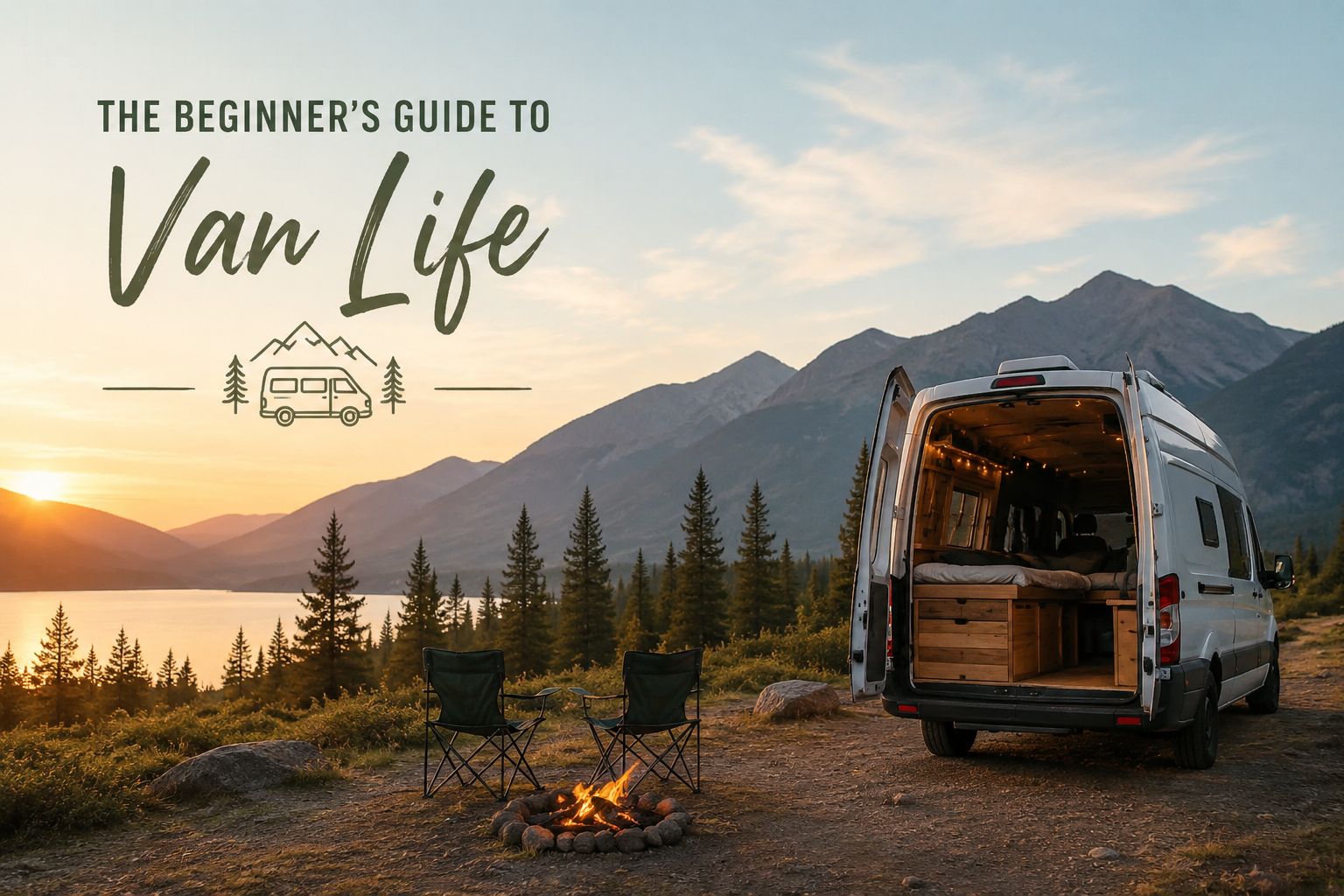
The Beginner’s Guide To Van Life: Everything You Need To Know Before Hitting The Road
Van life has grown from a niche lifestyle into a movement embraced by travelers, outdoor enthusiasts, and people seeking a simpler way of living. Whether it’s the freedom to explore new places, the opportunity to spend more time in nature, or the desire to break away from routine, van life offers a unique way to experience the world.
If you’re curious about getting started, this guide covers the basics of van life, what to expect, and how to prepare for your first adventure on the road.
What Is Van Life?
Van life is a lifestyle centered around traveling and living out of a van, campervan, or converted vehicle. Some people live in their vans full-time, while others use them for weekend trips, seasonal travel, or extended road adventures.
Unlike traditional travel, van life allows you to bring your home with you wherever you go. It offers flexibility, mobility, and the ability to wake up surrounded by beautiful landscapes.
Why People Choose Van Life
Everyone’s reason for choosing van life is different, but some common motivations include:
- Freedom to travel without strict schedules
- More time spent outdoors
- Simpler living with fewer possessions
- Opportunities to explore remote destinations
- A deeper connection with nature
- The ability to work remotely while traveling
For many people, van life is less about the vehicle itself and more about the experiences it makes possible.
Choosing The Right Vehicle
There is no single perfect van for everyone. The ideal vehicle depends on your budget, travel style, and personal needs.
Common options include:
Cargo Vans
Popular for custom conversions because they provide a blank canvas and ample interior space.
Camper Vans
Often come equipped with sleeping areas, storage, and kitchen setups.
Minivans
Affordable and fuel-efficient, making them a practical option for solo travelers.
Larger Camper Vehicles
Provide additional comfort and amenities but may be less maneuverable in remote locations.
When choosing a vehicle, consider fuel efficiency, reliability, maintenance costs, and interior space.
Planning Your Living Space
One of the most exciting parts of van life is creating a functional living space.
Key areas to consider include:
Sleeping Area
A comfortable sleeping setup is essential for enjoying life on the road.
Storage
Use bins, shelves, and under-bed compartments to maximize available space.
Cooking Area
A portable stove, cooler, or compact kitchen setup can make meal preparation easier.
Lighting
Battery-powered lights or solar-powered systems can improve comfort during evenings.
Ventilation
Good airflow helps regulate temperature and reduce condensation inside the van.
Remember that simplicity often makes life on the road more enjoyable.
Essential Gear For Beginners
You don’t need expensive equipment to start van life.
Useful essentials include:
- Sleeping bag or mattress
- Portable stove
- Water containers
- Basic cooking supplies
- First aid kit
- Flashlight or lantern
- Phone charger
- Weather-appropriate clothing
- Navigation tools
- Emergency supplies
Over time, you’ll discover which items are truly necessary for your travel style.
Finding Places To Stay
One of the most common questions new van lifers ask is where they can park overnight.
Popular options include:
- Campgrounds
- National parks
- Public lands where permitted
- RV parks
- Designated overnight parking areas
Always research local regulations and practice responsible travel by respecting the environment and nearby communities.
Managing Daily Life On The Road
Daily routines often become simpler during van life.
Typical activities may include:
- Exploring local trails
- Cooking meals outdoors
- Visiting small towns
- Working remotely
- Reading or relaxing in nature
- Meeting fellow travelers
While every day can be different, many van lifers find that a slower pace helps them appreciate experiences more fully.
Challenges To Expect
Van life can be rewarding, but it also comes with challenges.
Some common obstacles include:
- Limited living space
- Weather changes
- Vehicle maintenance
- Finding reliable internet
- Managing water and power resources
- Adjusting to a minimalist lifestyle
Being flexible and adaptable often helps overcome these challenges.
Respecting Nature And Local Communities
Responsible travel is an important part of van life.
Always remember to:
- Leave campsites cleaner than you found them
- Follow local regulations
- Respect wildlife
- Minimize waste
- Support local businesses when possible
Practicing good outdoor ethics helps preserve destinations for future travelers.
Final Thoughts
Van life is not about having the perfect vehicle or traveling to the most famous destinations. At its core, it is about embracing freedom, exploration, and a closer connection to the world around you.
Whether you plan to travel for a weekend or spend months on the road, the journey begins with a willingness to explore. Start simple, learn as you go, and enjoy the experiences that make van life so rewarding.