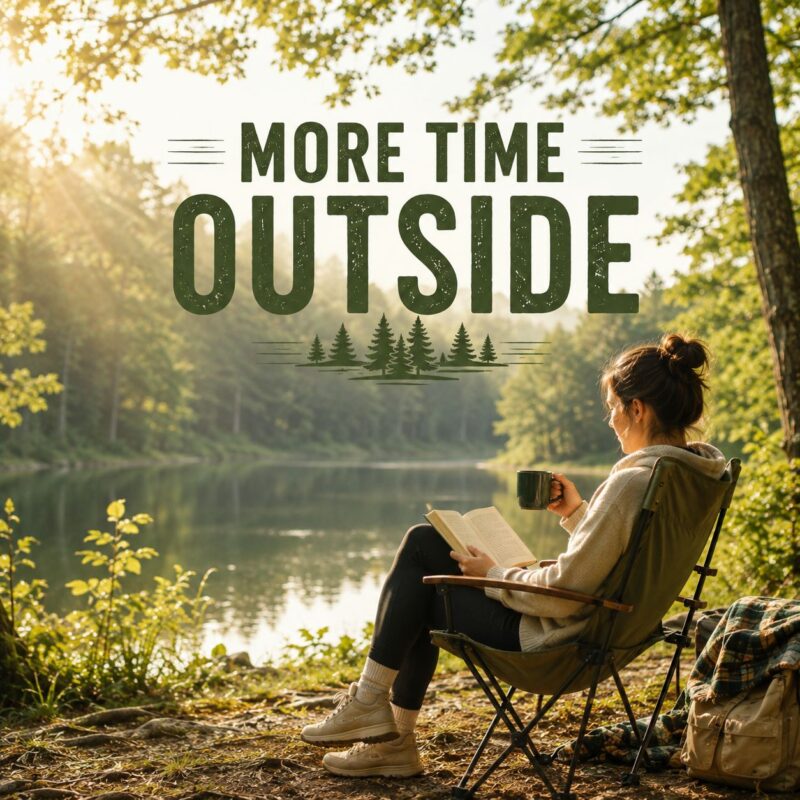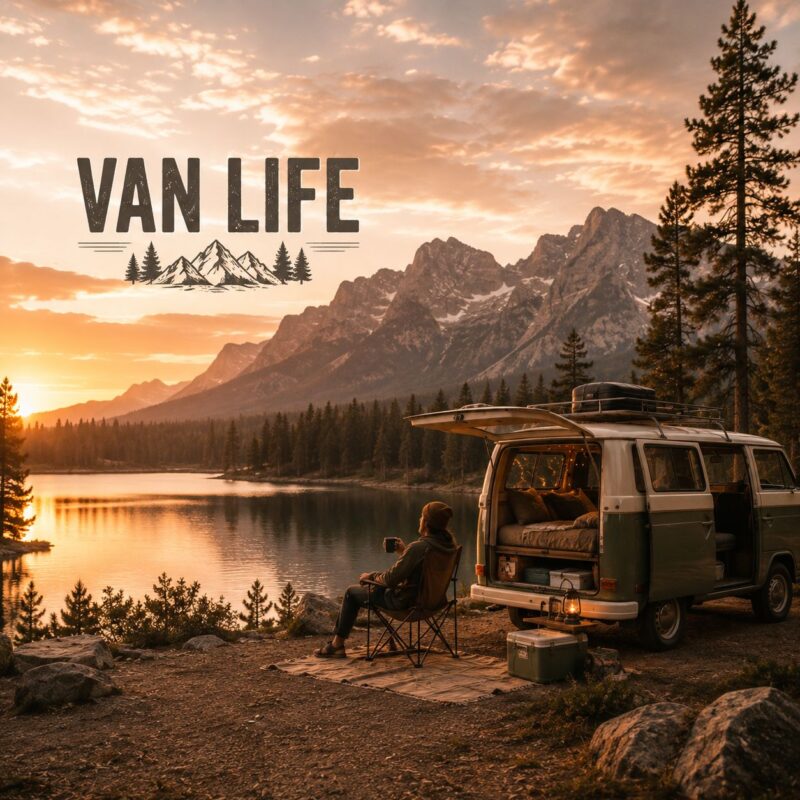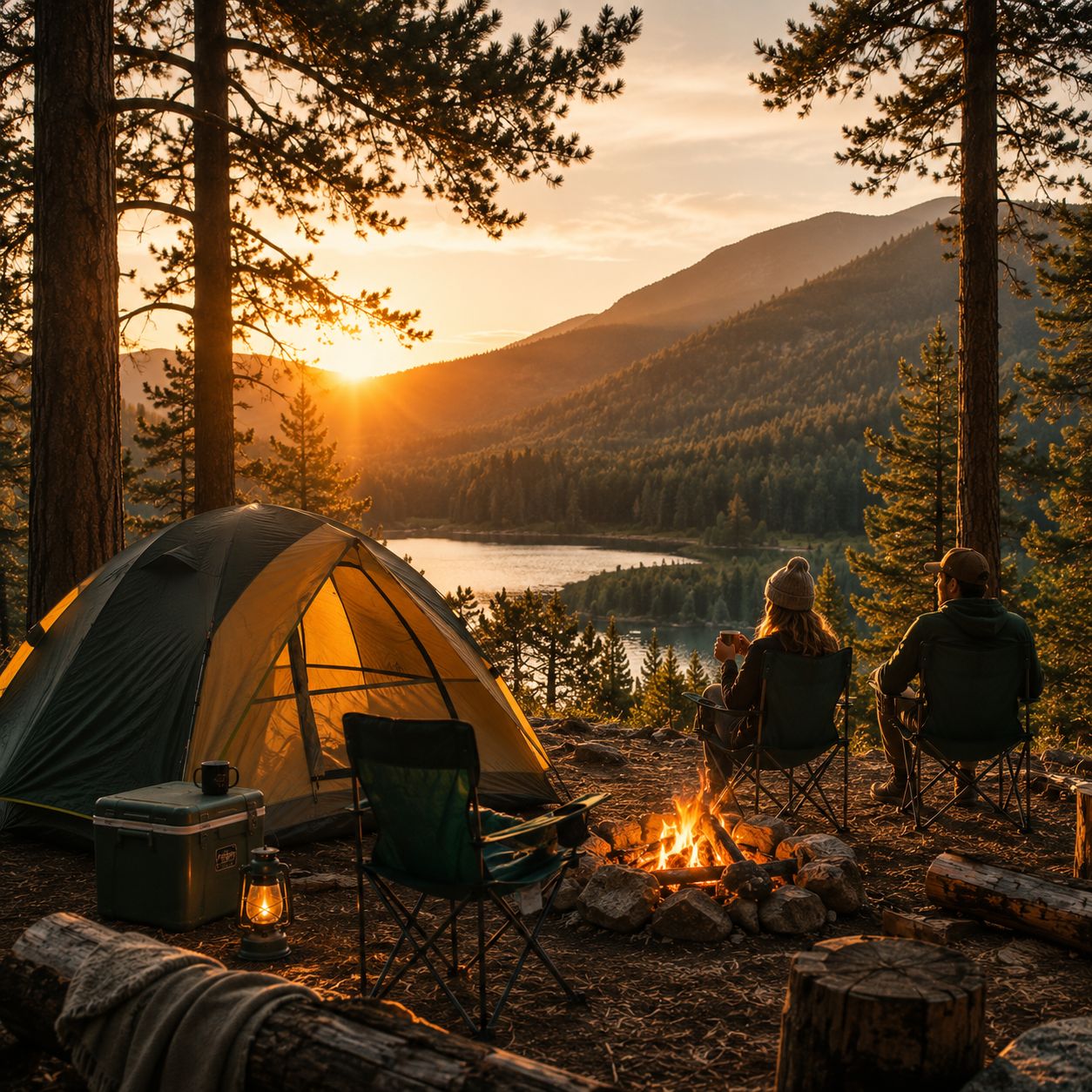
You don’t need a week away from home to enjoy the outdoors. Sometimes, a couple of nights under the stars are enough to trade busy routines for quiet mornings, campfire conversations, and a little more time in nature.
A weekend camping trip can be simple, affordable, and surprisingly refreshing. The key is not trying to fit everything into two days. Instead, plan the essentials, keep your schedule flexible, and leave enough room to actually enjoy where you are.
Whether you’re heading to a nearby campground, setting up beside a lake, or spending the weekend among the trees, these tips can help you make the most of your time outdoors.
1. Choose a Campsite That Fits a Weekend Trip
For a short camping trip, location matters.
Spending half of Friday evening driving and most of Sunday getting home can quickly turn a relaxing weekend into a rushed one. When possible, choose a campground or camping area within a reasonable drive from home.
Think about what you want from the weekend before choosing your destination.
Do you want quiet mornings in the forest? A campsite near hiking trails? Somewhere beside a lake? Or simply a comfortable campground where you can cook outside and sit around the fire?
The best destination isn’t necessarily the most dramatic one. For a weekend getaway, convenience can give you more time to enjoy the experience.
Before leaving, check the campground’s current rules, reservation requirements, fire restrictions, weather conditions, and available facilities.
2. Pack Light, but Don’t Forget the Essentials
It’s easy to overpack for camping.
For a two-night trip, focus on the things that keep you comfortable, safe, fed, and prepared for changing conditions.
Your essentials may include:
- Tent, stakes, and groundsheet
- Sleeping bag and sleeping pad
- Weather-appropriate clothing
- Comfortable shoes
- Flashlight or headlamp
- Food, snacks, and drinking water
- Camp stove and basic cookware
- First-aid supplies
- Sunscreen and insect protection
- Personal toiletries
- Trash bags
- Navigation tools or downloaded offline maps when appropriate
Your exact list will depend on the campsite, season, weather, and activities you have planned.
A simple trick is to create one reusable camping checklist. After every trip, update it based on what you actually used and what you wished you had brought.
Over time, packing becomes much easier.
3. Prepare Before You Leave Home
With only a weekend available, you probably don’t want to spend Saturday morning organizing equipment or figuring out dinner.
A little preparation at home goes a long way.
Check your tent before the trip. Charge necessary devices and lights. Fill fuel when applicable. Organize your cooking equipment together. Prepare ingredients ahead of time and pack frequently used items where they are easy to reach.
If you expect to arrive after dark, make sure your headlamp or flashlight is immediately accessible rather than buried at the bottom of the car.
The goal is simple:
Less time organizing. More time camping.
4. Keep Camp Meals Simple
Camp food doesn’t need to be complicated to be memorable.
For a weekend trip, meals that require minimal preparation and cleanup are usually the best choice.
Think grilled sandwiches, foil-packet meals, hot dogs, burgers, pre-prepared vegetables, simple pasta, oatmeal, fruit, trail snacks, and of course, something warm to drink in the morning.
Preparing ingredients at home can make cooking at camp much easier.
Cut vegetables in advance. Portion ingredients into containers. Keep each meal grouped together so you aren’t searching through several bags when everyone is hungry.
And don’t forget one of camping’s greatest pleasures: sitting outside with a cup of coffee while the campsite slowly wakes up.
5. Set Up Camp Before You Start Exploring
When you arrive, it can be tempting to immediately head toward the trail or lake.
Set up your basic camp first.
Pitch the tent, arrange your sleeping area, organize food safely, locate important campground facilities, and prepare whatever lighting you will need after sunset.
Once the essentials are handled, you can explore without wondering whether you’ll be setting up a tent in the dark later.
It also makes returning to camp much more relaxing.
6. Don’t Overplan Your Weekend
A camping weekend doesn’t need a packed itinerary.
Choose one or two activities you’re genuinely excited about and let the rest happen naturally.
You might go hiking in the morning, swim or paddle in the afternoon where permitted, explore a nearby trail, take photographs, read beside the campsite, play cards, or simply do absolutely nothing for a while.
That last option is underrated.
One of the best parts of camping is having permission to slow down.
You don’t need to turn every hour into an activity.
7. Make the Campfire Part of the Experience
For many campers, the best memories happen after the day’s activities are finished.
The chairs come out. Dinner is done. The temperature drops. Everyone gathers around the campsite and conversations somehow last longer than they do at home.
Where fires are permitted, a campfire can become the natural center of the evening.
Always follow local fire regulations and campground rules. Use designated fire areas where required, keep the fire controlled and attended, and extinguish it completely according to local guidance before leaving it.
And if fires aren’t allowed, you can still create the same atmosphere with camp chairs, warm drinks, lanterns, and good company.
Camping is about the moment, not necessarily the flames.
8. Dress for Comfort and Changing Weather
Camping clothes don’t need to be complicated.
Choose comfortable pieces that are easy to layer and appropriate for the expected conditions.
A T-shirt can work well during warmer parts of the day, while a sweatshirt, fleece, or jacket can help when temperatures drop in the evening.
Bring an extra layer even when the forecast looks comfortable. Outdoor temperatures can change quickly, particularly around mountains, forests, and open areas.
And this is exactly where camping shirts become part of the fun.
A favorite outdoor graphic tee isn’t essential equipment, but there’s something fitting about wearing a campfire, mountain, or camper-inspired design while spending the weekend outside.
9. Put the Phone Away for a While
Your phone can be useful outdoors for navigation, weather information, emergency communication, photography, and campground details.
But it doesn’t need to be in your hand all weekend.
Take the photos you want, then give yourself some time without a screen.
Listen to the trees.
Watch the fire.
Take a walk without checking notifications every few minutes.
Have a conversation that doesn’t compete with an inbox.
A short camping trip can feel much longer when you actually experience it instead of constantly documenting it.
10. Respect the Place You Came to Enjoy
A great camping weekend should end with the campsite looking as good as—or better than—when you arrived.
Pack out your trash and belongings, follow campground and local regulations, respect wildlife, avoid damaging vegetation, and use established campsites and trails where required.
Responsible outdoor habits help protect the places we all want to keep visiting.
Before leaving, do one final walk around your campsite.
Small items such as food wrappers, bottle caps, tent stakes, and pieces of packaging are easy to overlook.
11. Leave Sunday Morning Some Breathing Room
One common mistake is waiting until the last possible minute to break camp.
Instead, give yourself enough time for breakfast, packing, cleanup, and one final quiet moment before heading home.
Maybe it’s another cup of coffee.
Maybe it’s a short walk.
Maybe it’s simply sitting outside for ten minutes before putting the chairs away.
You don’t have to rush the ending.
That final slow morning can become one of the best parts of the weekend.
The Best Camping Weekends Are Usually the Simple Ones
You don’t need the most expensive equipment, the longest itinerary, or a distant wilderness destination to have a memorable camping trip.
Sometimes all you need is a tent, good food, comfortable clothes, a beautiful place, and people you enjoy spending time with.
Plan enough to make the weekend easy, but leave enough space for the unexpected.
Take the scenic route.
Stay outside a little longer.
Drink your coffee somewhere with a better view.
And when Sunday arrives, head home with good memories—and maybe an idea for where you want to camp next.
Because sometimes the best weekend plans are the ones that lead outside.